

Game Development Process 2026: 5 Stages From Concept to Launch
Game development in 2026 is more competitive, creative, and fast-paced than ever before. The journey from initial idea to published title is both an art and a science, blending storytelling, technology, design, and business acumen. Developers who understand every stage of the process - and work with reliable partners - can turn creative visions into games that stand out in a crowded marketplace.
Whether you’re an indie developer launching your first title or a publisher managing large production teams, mastering the end-to-end process is crucial. In this guide, we’ll break down each phase of modern game development, share practical insights, and explain why SunStrike Studios is the right partner to help you succeed at every step. According to Newzoo’s 2026 Global Games Market Report, the industry continues to grow toward record annual revenue, and the bar for production quality keeps rising in parallel.
Key Takeaways
- Five core stages: pre-production (concept, GDD, prototype) → production (art, code, level design, audio) → testing/QA → launch → post-launch live-ops. Each stage gates the next.
- Timeline benchmarks: indie 6-18 months; mid-tier 18-30 months; AAA 4-7 years. Live-service titles never finish - they enter ongoing development cycles.
- Budget split: 15-25% pre-production, 50-60% production, 15-20% QA/launch, the rest is buffer. Add 20-30% overflow on every milestone.
- Outsourcing is the 2026 default: art, animation, QA, audio, localization, and porting routinely go to specialized studios. Internal teams keep design, gameplay code, and live-ops.
- Tool stack matters early: Unity or Unreal Engine for core; Blender / Maya / ZBrush / Substance for art; Wwise / FMOD for audio; Perforce or Plastic SCM for source control. Lock the stack in pre-production - changing engines mid-project usually means scrapping months of work.
Stage 1: Pre-Production - Laying the Groundwork
Pre-production is where you decide what the game is, who it’s for, and whether you can actually ship it on your budget and team. Skip this stage and you spend the next year fixing the consequences in production.
1.1. Concept and Idea Generation
Every great game starts with a compelling idea. This could be a unique gameplay mechanic, an original setting, or a twist on an existing genre. During this stage, developers brainstorm, research market trends, and analyze what makes successful titles engaging and profitable.
Key Questions:
- What is the core concept or “hook” of the game?
- Who is the target audience?
- What platforms (mobile, PC, console) are best for your vision?
Best Practices:
- Conduct competitive analysis and player surveys.
- Prepare a moodboard or creative brief summarizing your vision.
1.2. Game Design Document (GDD) Creation
The Game Design Document (GDD) is a living blueprint for the entire project. It details game mechanics, story, characters, controls, art direction, audio, and monetization strategies.
Contents of a Strong GDD:
- Overview of game mechanics and controls
- Visual references and preliminary art style guides (see realism vs stylization for choosing your visual direction)
- Technical requirements and platform details
- Narrative structure, character bios, and lore
- Monetization (in-app purchases, ads, premium, etc.)
A detailed GDD helps align teams, track scope, and secure stakeholder buy-in from day one.
1.3. Prototyping and Initial Testing
Early prototyping saves time and money. By quickly building basic versions of gameplay features, teams can test ideas, identify flaws, and iterate fast before investing in full production.
Prototyping Tips:
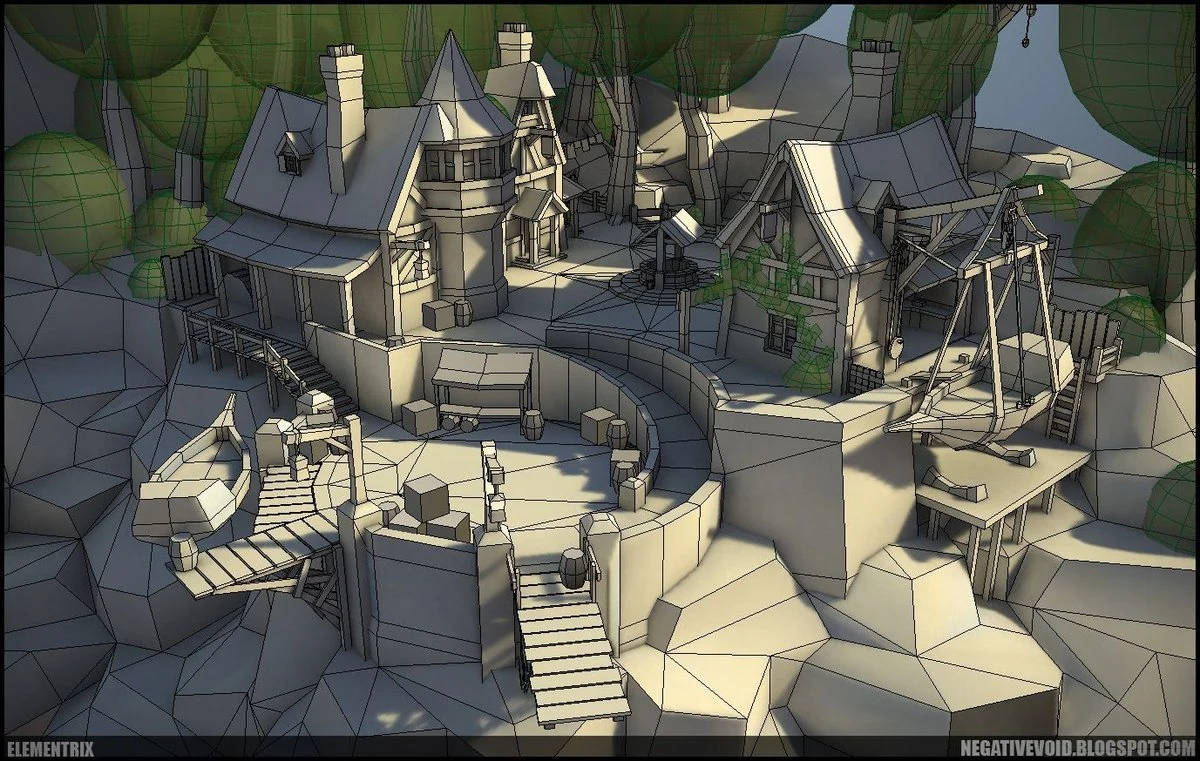
- Use simple shapes and placeholder art to test mechanics.
- Focus on “fun factor” and core gameplay loop, not polish.
- Involve real users for feedback at the earliest stage possible.
Stage 2: Production - Bringing the Game to Life
2.1. Art Production and Asset Creation
This is where the visual identity of your game takes shape. Concept artists, character designers, environment artists, and animators work closely with designers to realize the project’s vision.
Key Elements:
- Concept Art: Sets the mood and guides the look for all visuals.
- 2D & 3D Assets: Characters, environments, props, UI elements.
- Animation: Breathing life into characters and worlds with dynamic movement.
- VFX: Special effects that boost immersion, such as particle systems or spell effects.
SunStrike Studios Tip: Our experienced team can handle 3D production pipelines for any genre or style, ensuring a consistent and striking visual presentation that fits your target audience. For the deep dive on this pipeline, see our 3D game art outsourcing guide and video game concept art guide.
2.2. Game Development and Programming
Developers build the core systems that power the game:
- Core gameplay mechanics
- AI systems
- Networking for multiplayer games
- User interface functionality
- Integration of assets, audio, and animations
Choosing the right engine (Unity, Unreal Engine, Godot, proprietary, etc.) is critical at this stage - see our deep dive in Unity vs Unreal in 2026 and the best mobile game engines guide. Agile methodologies and modular code keep the project flexible and scalable.
2.3. Level Design and World Building
Level designers create the world’s geography, challenge pacing, enemy placement, and rewards. Their work shapes player experience, ensuring the game remains engaging and balanced.
Key Tasks:
- Designing maps and locations that support the story and gameplay loop
- Playtesting levels for flow, difficulty, and replayability
- Integrating environmental storytelling and interactive elements
2.4. Audio and Sound Design
Audio is often underestimated but has a powerful impact on player immersion. This includes:
- Original soundtracks and music composition
- Sound effects for actions, environments, and feedback
- Voice acting and dialogue
Early collaboration between sound designers and game designers ensures that audio supports gameplay and narrative beats.
Stage 3: Testing, QA, and Polishing
3.1. Quality Assurance (QA)
Thorough QA is essential for delivering a polished product. Professional QA teams test for:
- Bugs and crashes
- Compatibility across devices/platforms
- Gameplay balance and fairness
- UI/UX clarity and accessibility
Automated and manual testing are used to identify issues and verify fixes. SunStrike Studios offers dedicated QA support for projects of all sizes, ensuring the final product is stable and enjoyable.
3.2. Playtesting and User Feedback
Outside playtesters provide a fresh perspective and often spot issues missed by the core team. Their feedback guides adjustments to game balance, difficulty, and flow.
Effective Playtesting:
- Use focus groups or beta tests with real target users.
- Collect structured feedback through surveys and analytics.
- Observe play sessions to see where players struggle or excel.
3.3. Polishing and Optimization
Before launch, developers and artists refine every aspect of the game:
- Smoothing out animations and transitions
- Optimizing performance (framerate, loading times, memory usage)
- Improving UX and making the onboarding experience intuitive
Optimization is especially crucial for mobile and VR games, where hardware constraints are tight.
Stage 4: Launch - Releasing Your Game to the World
4.1. Marketing and Community Building
A solid marketing campaign can make all the difference. Start early with:
- Teaser trailers and gameplay demos
- Social media campaigns and influencer outreach
- Press releases, blogs, and interviews
- Community engagement (Discord, forums, etc.)
Professional key art, promotional banners, and in-game events help build excitement and anticipation. Our game trailer and ad creative production team delivers trailers, UA video creatives, motion graphics, and store-page key visuals for launch and live-ops cycles.
4.2. Distribution and Publishing
Choose the right platforms and partners to maximize your game’s reach. Consider:
- Self-publishing on app stores, Steam, or console marketplaces
- Working with a publisher for funding, distribution, or additional marketing
- Localizing your game for different regions and languages
Prepare all required materials - store descriptions, screenshots, trailers - well in advance of launch.
4.3. Launch and Post-Launch Support
Release day is just the beginning. Plan for:
- Immediate bug fixes and hot patches
- Monitoring user reviews and analytics
- Ongoing marketing and content updates
SunStrike Studios supports clients with live-ops, post-launch QA, and art updates, ensuring your game remains successful long after release.
Stage 5: Post-Launch - Growth, Updates, and Monetization
5.1. Live-Ops and Content Updates
Continuous updates are vital for retaining your player base and increasing engagement:
- Seasonal events and limited-time modes
- New levels, characters, or features
- Community-driven updates based on feedback
Regular content keeps your game fresh and extends its lifecycle.
5.2. Monetization Strategies
Modern games use a variety of monetization models:
- Premium: One-time purchase for the full game
- Free-to-play with in-app purchases (IAPs): Skins, power-ups, battle passes
- Ads: Integrated advertising for revenue in free games
- Subscriptions: Recurring payments for VIP content or perks
The best monetization strategies respect players and offer real value, avoiding pay-to-win mechanics or intrusive ads.
5.3. Analytics and Player Insights
Ongoing success depends on understanding how players interact with your game:
- Integrate analytics tools to track player behavior
- Measure retention, engagement, ARPU, and other KPIs
- Use insights to refine content and update priorities
Regular reporting and A/B testing help optimize updates and marketing efforts for maximum impact.
Best Practices for Game Development Success
Assemble the Right Team
Every project is unique - choose partners and in-house talent with strengths in your chosen genre, platform, and art style. Consider outsourcing specialized tasks like stylized 2D production, animation, sound, or QA to experienced providers like SunStrike Studios for efficiency and quality.
Keep Communication Clear and Frequent
Transparency and proactive updates prevent scope creep, missed deadlines, and misunderstandings. Use modern project management tools and hold regular meetings with all stakeholders.
Prioritize User Experience (UX)
Games succeed when they are accessible, intuitive, and rewarding. Invest in onboarding, tutorials, accessibility options, and regular playtesting to ensure a positive experience for all users. Pair this with thoughtful HUD design and game UI principles to keep menus and overlays clear at every screen size.
Plan for Scalability
Whether you’re launching a small indie title or a global blockbuster, design your codebase, art pipeline, and production schedule to adapt to growth. Scalable workflows and cloud-based tools allow you to ramp up or down as needed.
Document Everything
Thorough documentation of systems, art pipelines, and design decisions saves time and reduces errors as teams expand or projects evolve.
Why Choose SunStrike Studios for Your Game Development Needs?
At every stage of the game development process, SunStrike Studios offers a unique blend of creativity, technical skill, and industry experience. Our services include:
- 2D & 3D Art Production: From concept to final assets, in any style or genre
- Animation: Characters, environments, and special effects via our game animation studio
- UI/UX Design: Beautiful, intuitive interfaces that enhance gameplay
- Game Development: Full-cycle engineering for Unity, Unreal, and custom engines
- Quality Assurance: Rigorous testing and optimization for smooth releases
- Live-Ops & Post-Launch Support: Continuous updates and art production to keep players engaged
Our agile workflow, transparent communication, and dedication to client success make us a trusted partner for projects of any scale.
Conclusion: Turning Vision Into Playable Reality
Game development is an exciting but complex journey. Understanding and mastering each stage - from concept and prototyping to launch and live-ops - empowers you to deliver games that delight players and achieve commercial success. Whether you need full-cycle support or help with a specific stage, working with the right partner is critical.
SunStrike Studios combines industry-leading expertise, scalable resources, and creative passion to guide your game from vision to reality.
Planning your next project? Our team handles 2D production, full 3D asset pipelines, hero and NPC characters, and environment and background art from a single integrated studio. Get in touch to discuss scope, milestones, and timelines for your game development project.
For a deeper view of outsourcing partners, compare our game art outsourcing 2026 guide and top 10 game art outsourcing studios.